 © SZAD / GDAD
Spatial Systems
Changsha Olympic Sports Centre
Owning delivery of an eight-team international competition bid end to end, from the project plan and team organisation to coordination, quality sign-off and on-site handover.
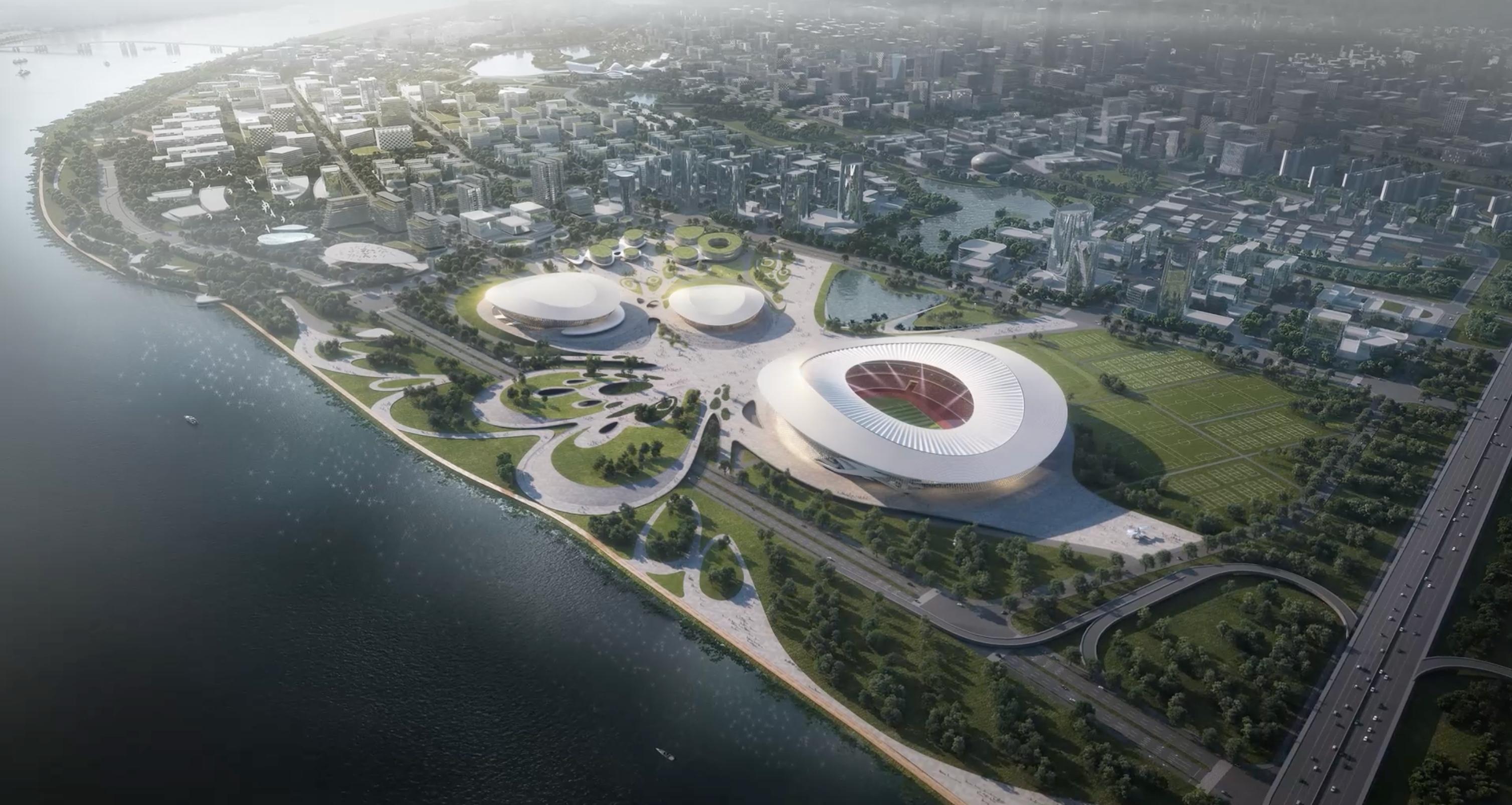
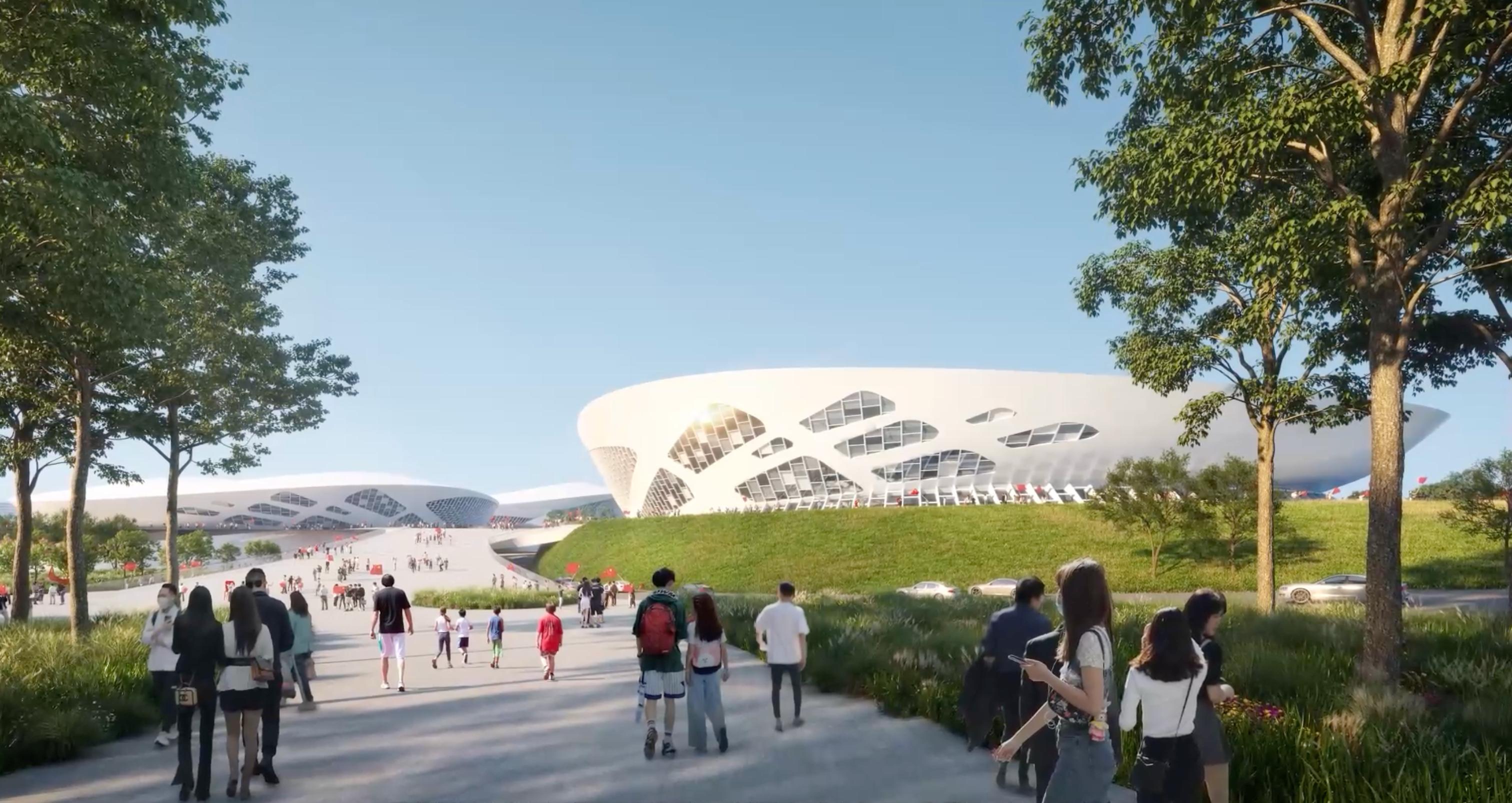
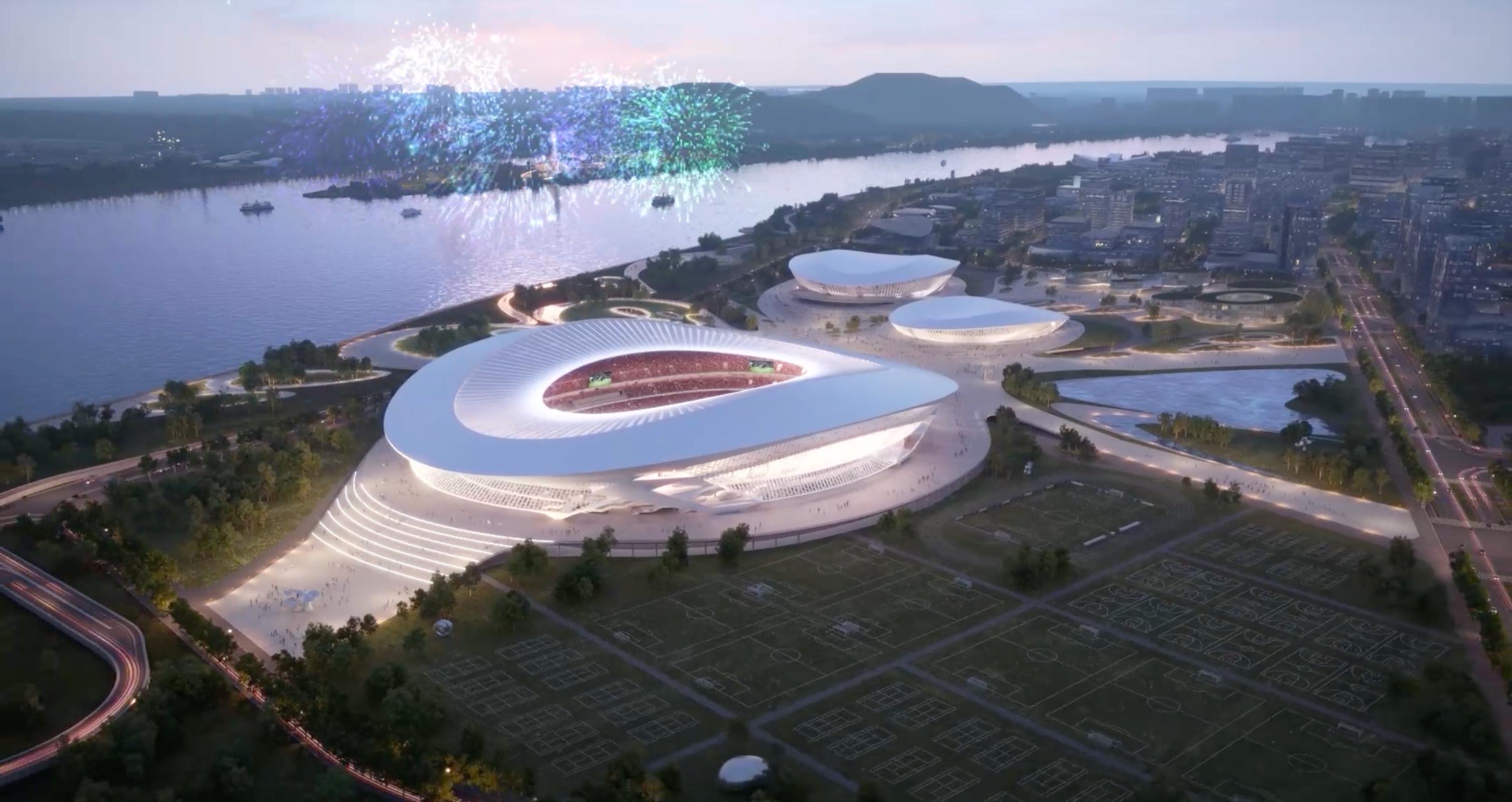
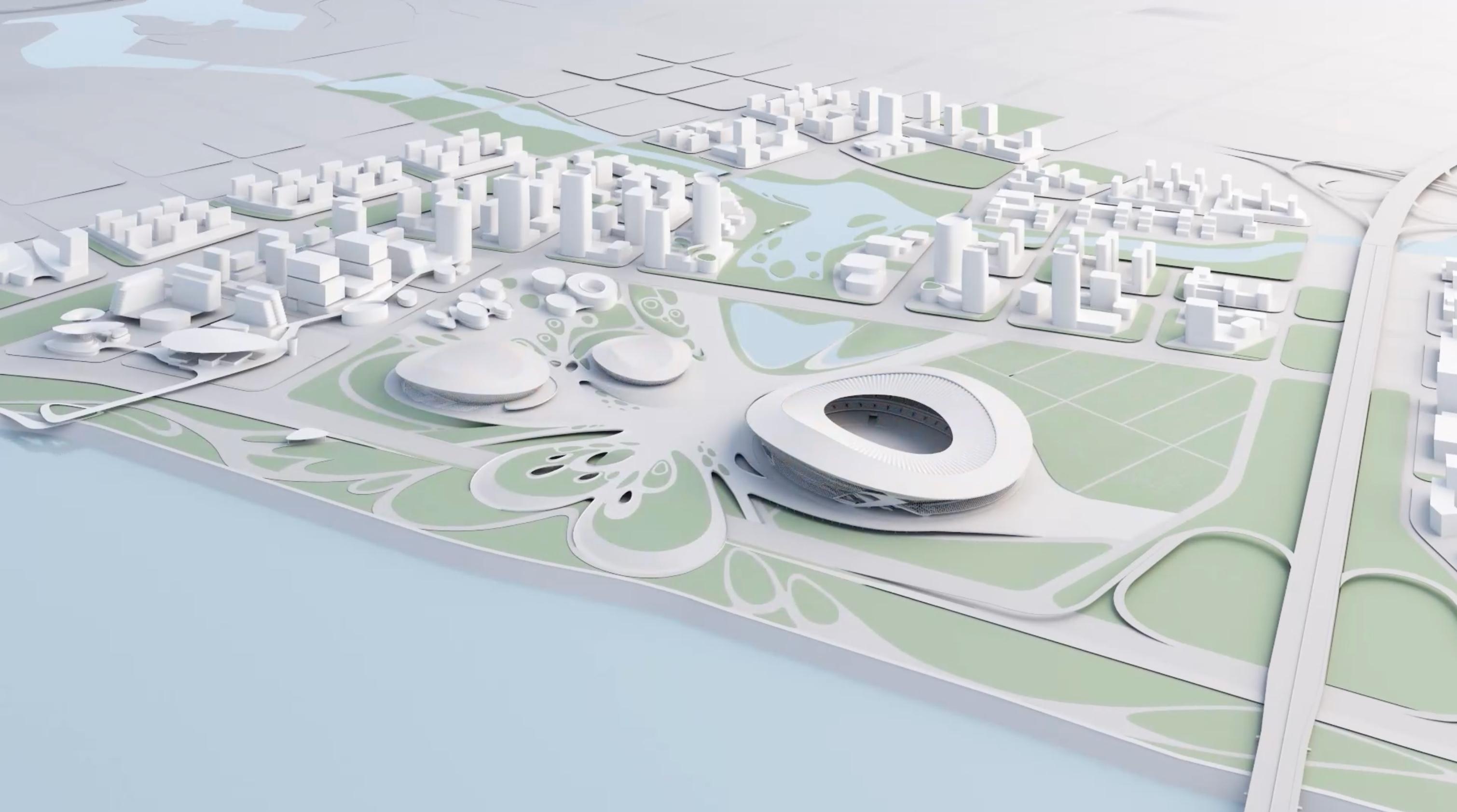
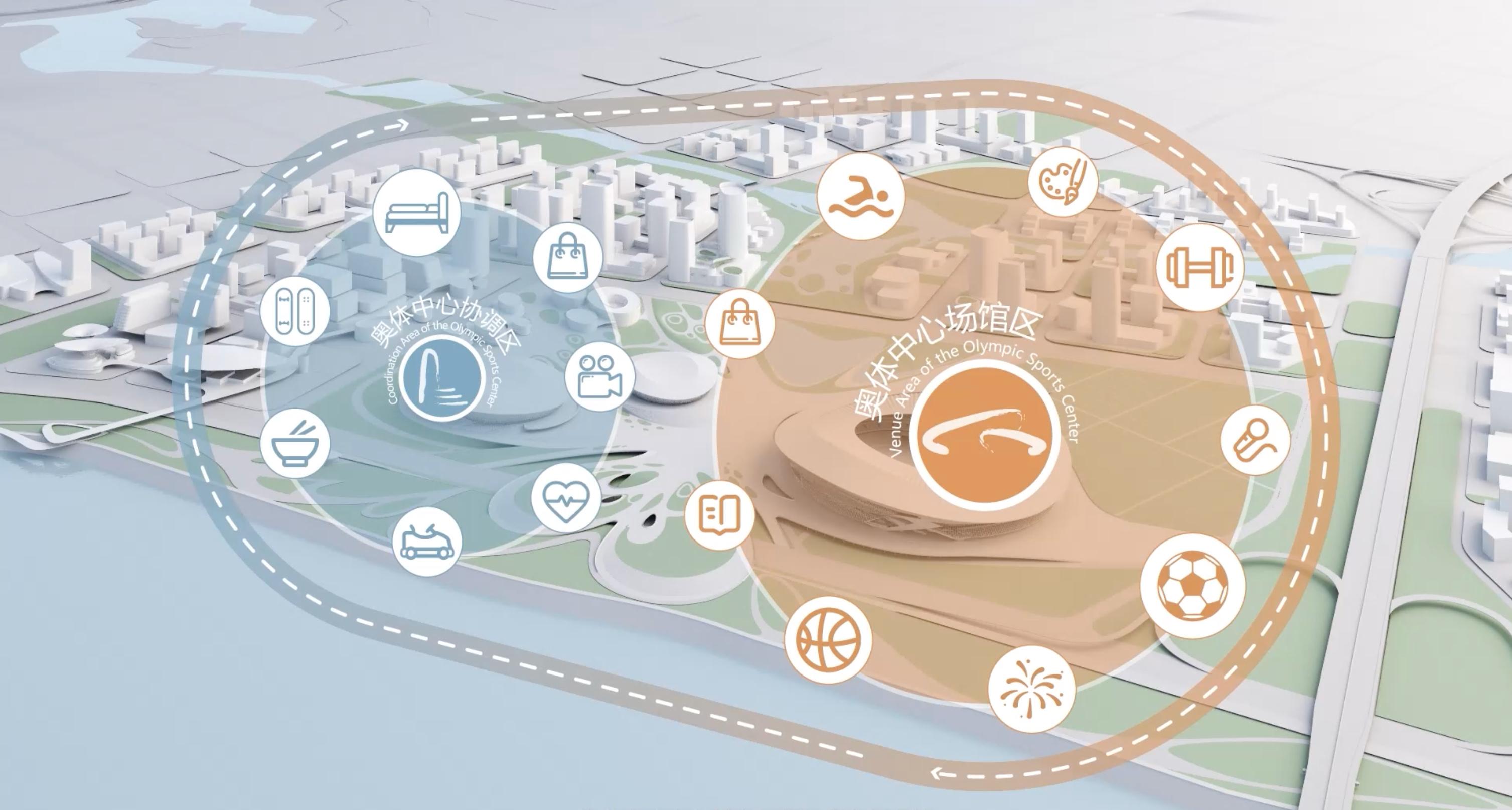
Changsha Olympic Sports Centre is a "one stadium, two arenas" civic sports complex: a 65,000-seat main stadium, an 18,000-seat multi-purpose arena and a 4,000-seat swimming and diving hall, on a 65-hectare venue zone with a 140-hectare coordination zone around it. The estimated construction cost is around NZD 1.5 billion. Eight teams entered the international design competition, delivered as a consortium bid between two design institutes working as one team.
I owned the delivery of this bid end to end: the plan, the people, the coordination, the quality standard and the cost, together, not any single lever on its own. A separate chief design lead owned the design concept; my ownership was of the process that turned that concept into a deliverable, competition-ready scheme within a fixed twelve-week window.
For HENEX, this case shows R18 applied to a delivery process rather than a screen or a building: a complex, multi-institute bid sequenced into clear stages so the team always knew what to understand, decide and produce next.
 © SZAD / GDAD
Competition Submission
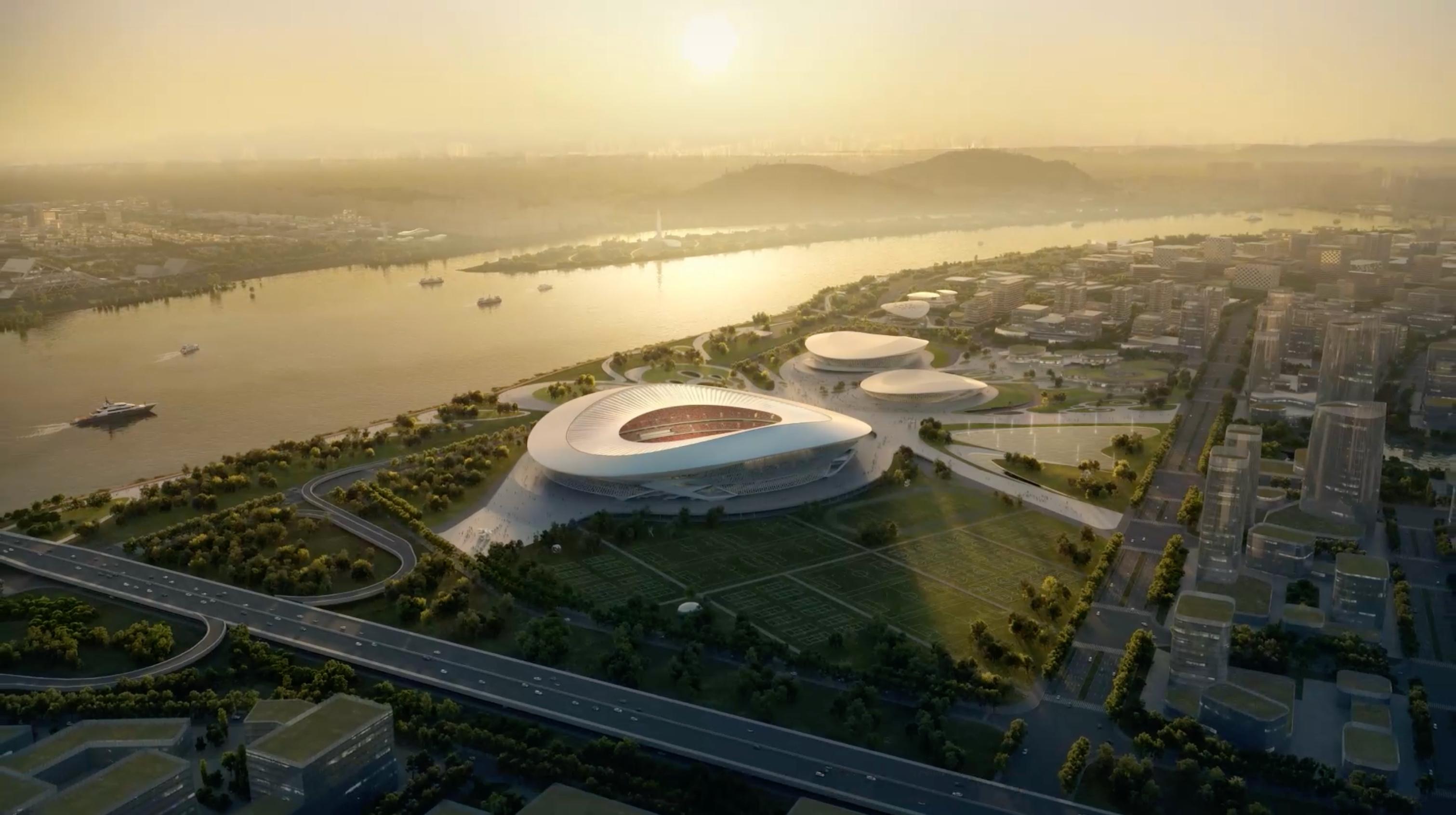
The bid animation that carried the concept to the jury.
Produced for the international competition submission, this animation communicates the scheme's concept, scale and public experience. Signing off its quality alongside the other outsourced deliverables, renders, print and the physical model, was part of my delivery role on this bid.
The firm had no separate "owner" title, so the project-manager role carried that function in practice. Alongside a separate chief design lead who owned the concept, I owned the process, the people and the delivery: planning, resourcing, coordination, quality and cost. I was not the concept lead and not a hands-on technical designer.
I organised a core team of six to seven architecture specialists and coordinated supporting structural, MEP and façade engineers. My management style was escalation-based rather than hands-on: I let the team run, and stepped into detailed coordination personally only when someone flagged a blocker they could not resolve themselves.
I drafted the full project plan and node-control schedule at the outset, in three phases: an internal design phase, an internal "PK", a head-to-head comparison between the two teams' competing schemes, and a post-direction deepening phase once a single direction was chosen. Each phase had its own control rhythm and defined hand-off points between it and the next.
This is the concrete evidence behind R18 on this case. A bid across two institutes and several disciplines, inside a fixed twelve-week window, only stays legible if the sequence of decisions is explicit. The schedule set out what needed to be understood, decided and produced at each node, so the team was never guessing what came next.
 © SZAD / GDAD
I was the single point of contact with the partner institute, coordinating upward with the chief design lead on concept direction and downward with the team on blockers and resourcing needs. I chaired our internal coordination meetings as the meeting host, setting the attendee list, the agenda and the pace.
Day to day, this was as much about supporting the team as directing it. I mentored the architects, checked in on what each person needed to keep moving, and found the resources to unblock them, stepping into detailed coordination myself only when someone raised something they could not resolve on their own. Holding a compressed, two-institute bid together depended on this as much as on any schedule or budget.
 © SZAD / GDAD
 © SZAD / GDAD
I set the deliverable standard and the discipline hand-off interface for the bid, defining how much depth each contribution needed at competition stage, as distinct from construction-documentation depth. That standard, not the budget, was the reference point for what counted as finished.
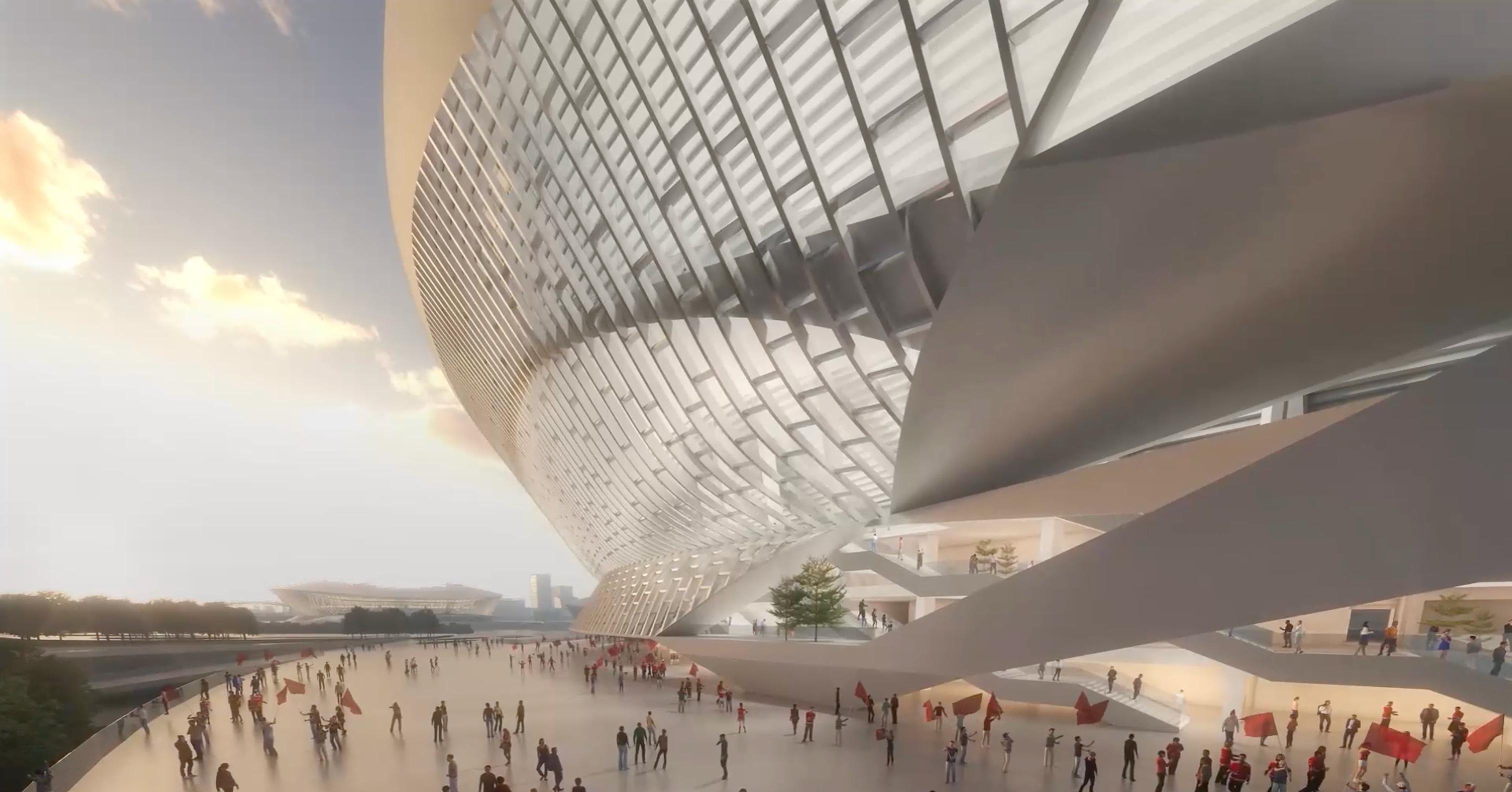
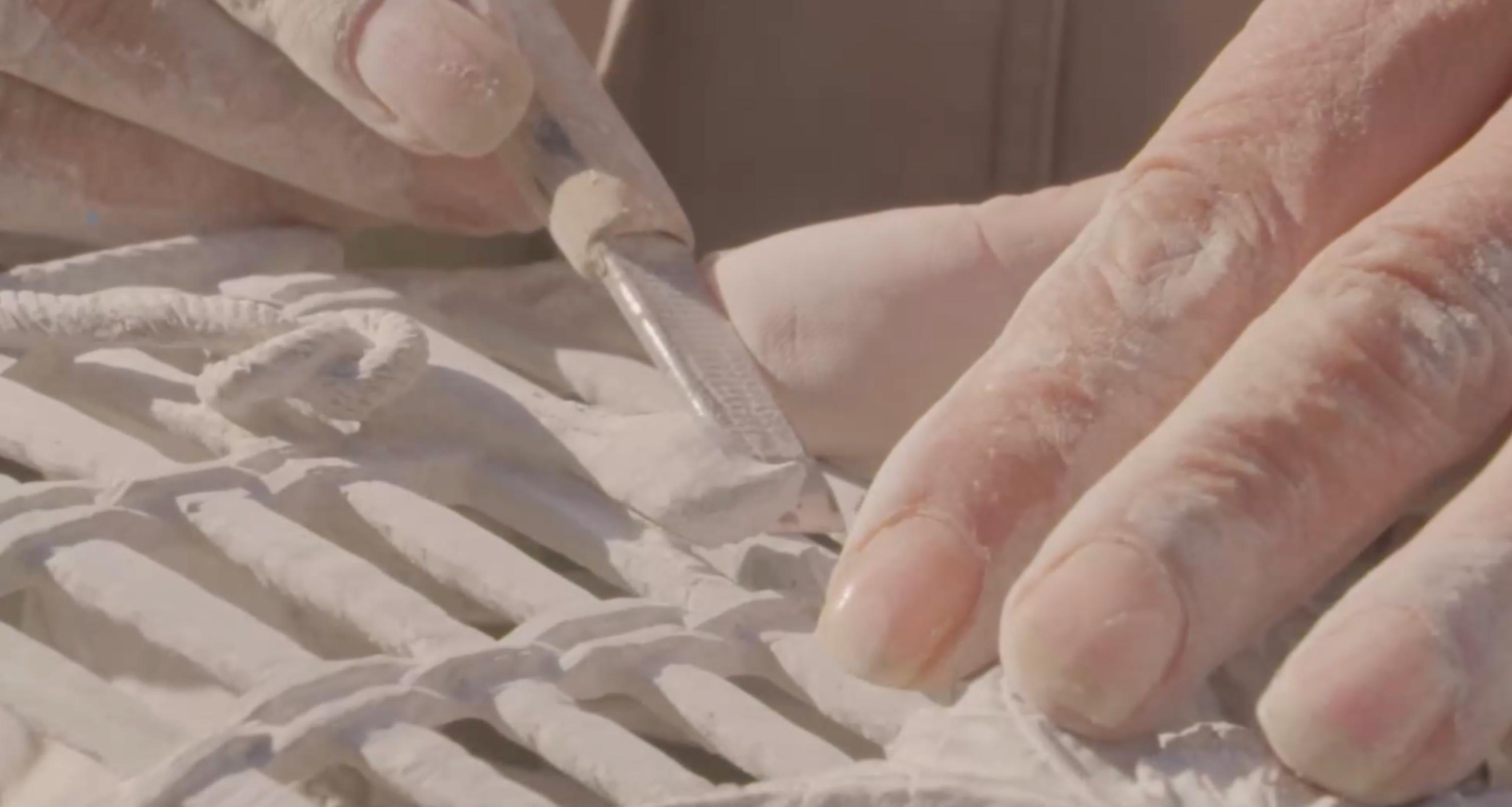
I held final quality sign-off on the key competition deliverables, including outsourced vendor work: renders, multimedia and animation, the physical model, and print. On-site, I coordinated the competition delivery itself, the physical model install and liaison with the competition organiser on install timing and any changes, so the standard we set carried through to the room the jury actually walked into.
 © SZAD / GDAD
Alongside planning, coordination and quality, I managed cost as one further discipline. I negotiated the fee-share split with the partner institute, then broke the budget down per node into headcount by discipline and hard-cost items, including a fixed render count with a small agreed float, around ten renders, plus or minus one or two.
I used scenario planning across three possible outcomes, not shortlisted, shortlisted, and winning, so the resourcing and cost response to each was already decided rather than improvised under pressure. Most international competition bids run at a financial loss for the firm; disciplined planning across all of these levers together, not cost control alone, delivered a rare net-positive return on this one.
 © SZAD / GDAD
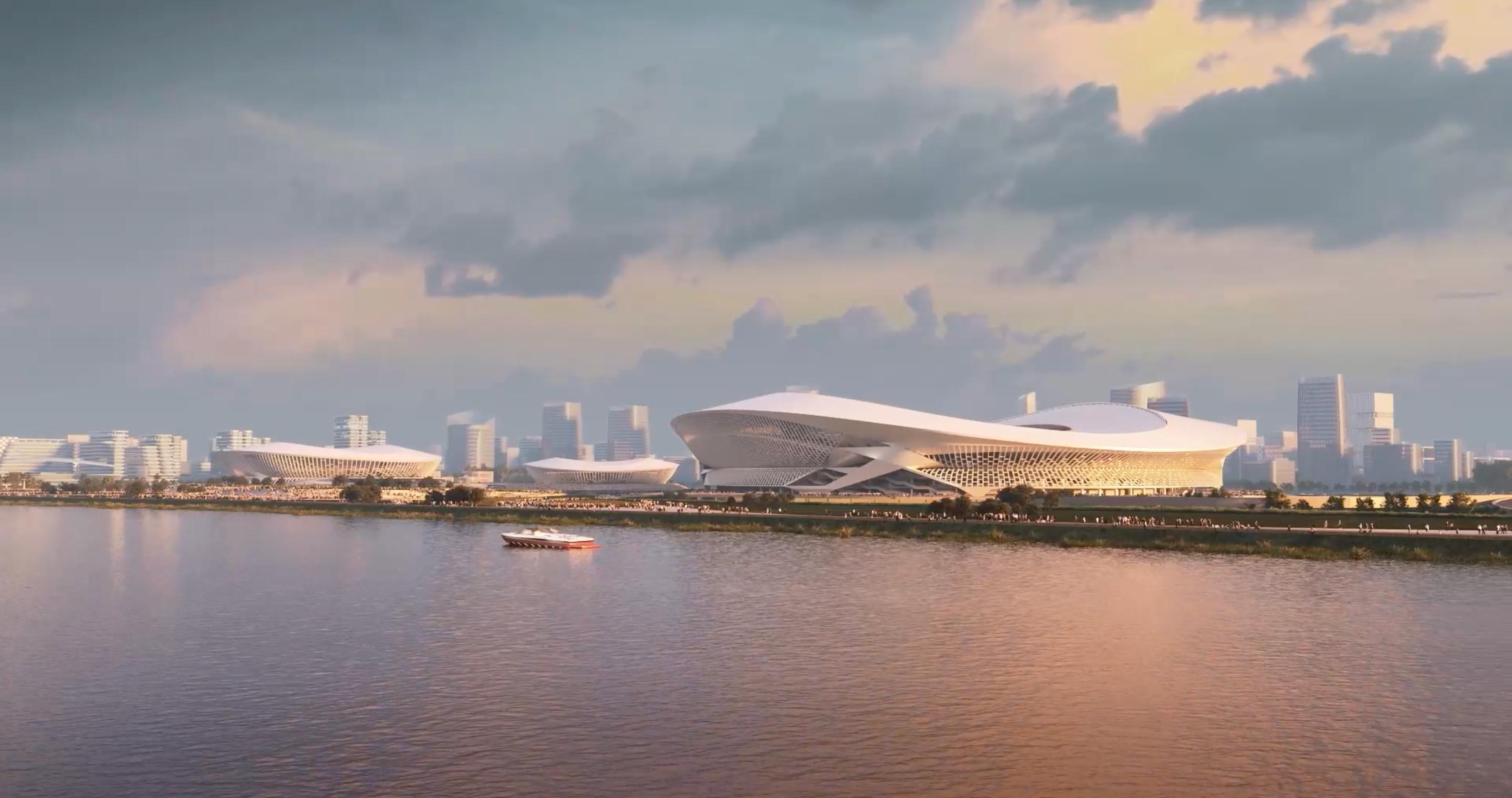
The design concept, 刚柔相济 · 菊花石记, rigid and soft in harmony, a chrysanthemum-stone chronicle, came from our chief design lead and design team, not from me. It draws on chrysanthemum-stone carving, a Hunan intangible cultural heritage craft, positioning the complex as a landscape landmark along the river, a culture-and-sport centre, and a long-term engine for the surrounding district.
My role was to turn that concept into a deliverable, competition-ready scheme within the bid's schedule and budget, not to author it.
 © SZAD / GDAD
 © SZAD / GDAD
 © SZAD / GDAD
 © SZAD / GDAD
 © SZAD / GDAD
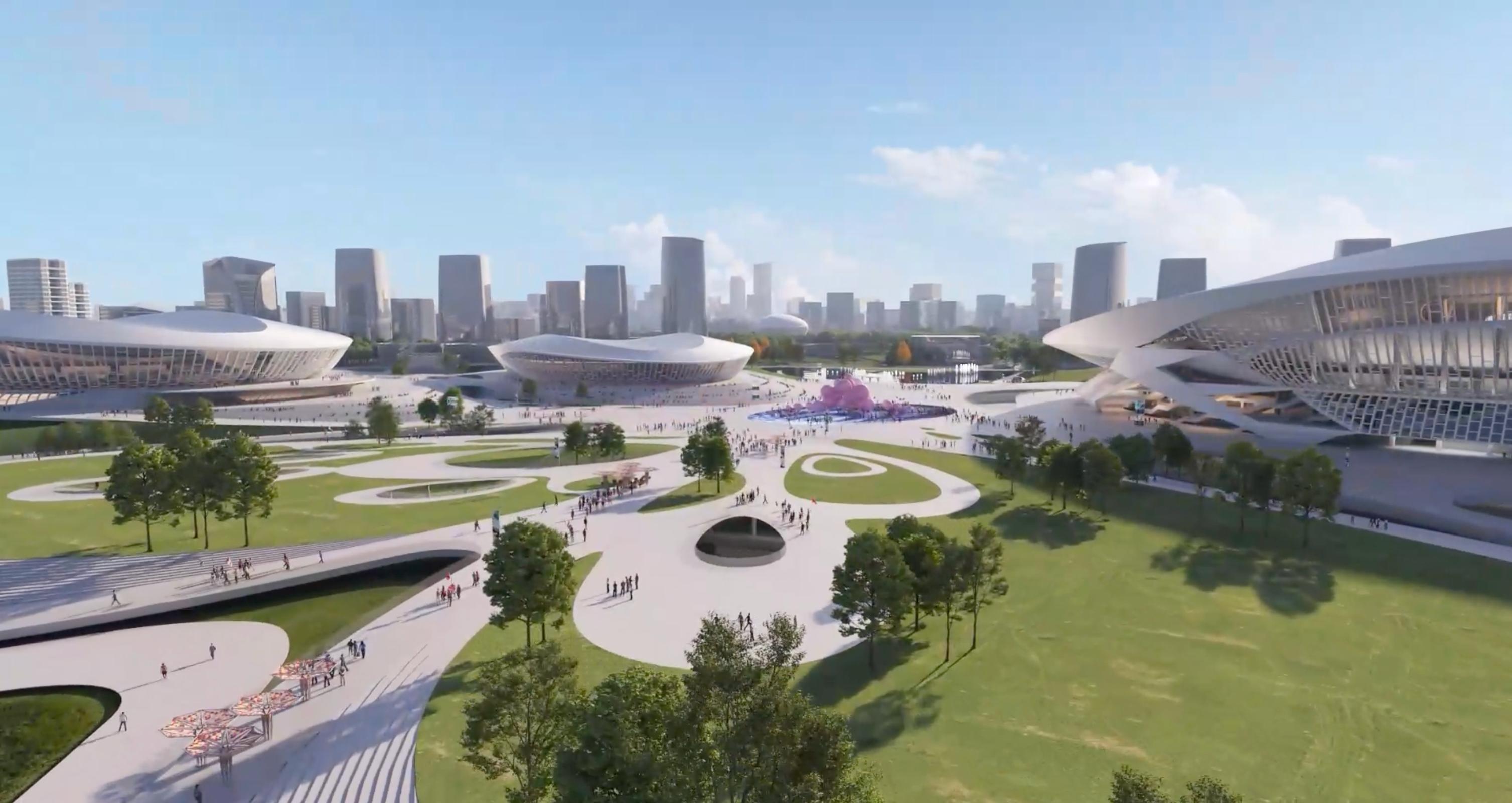
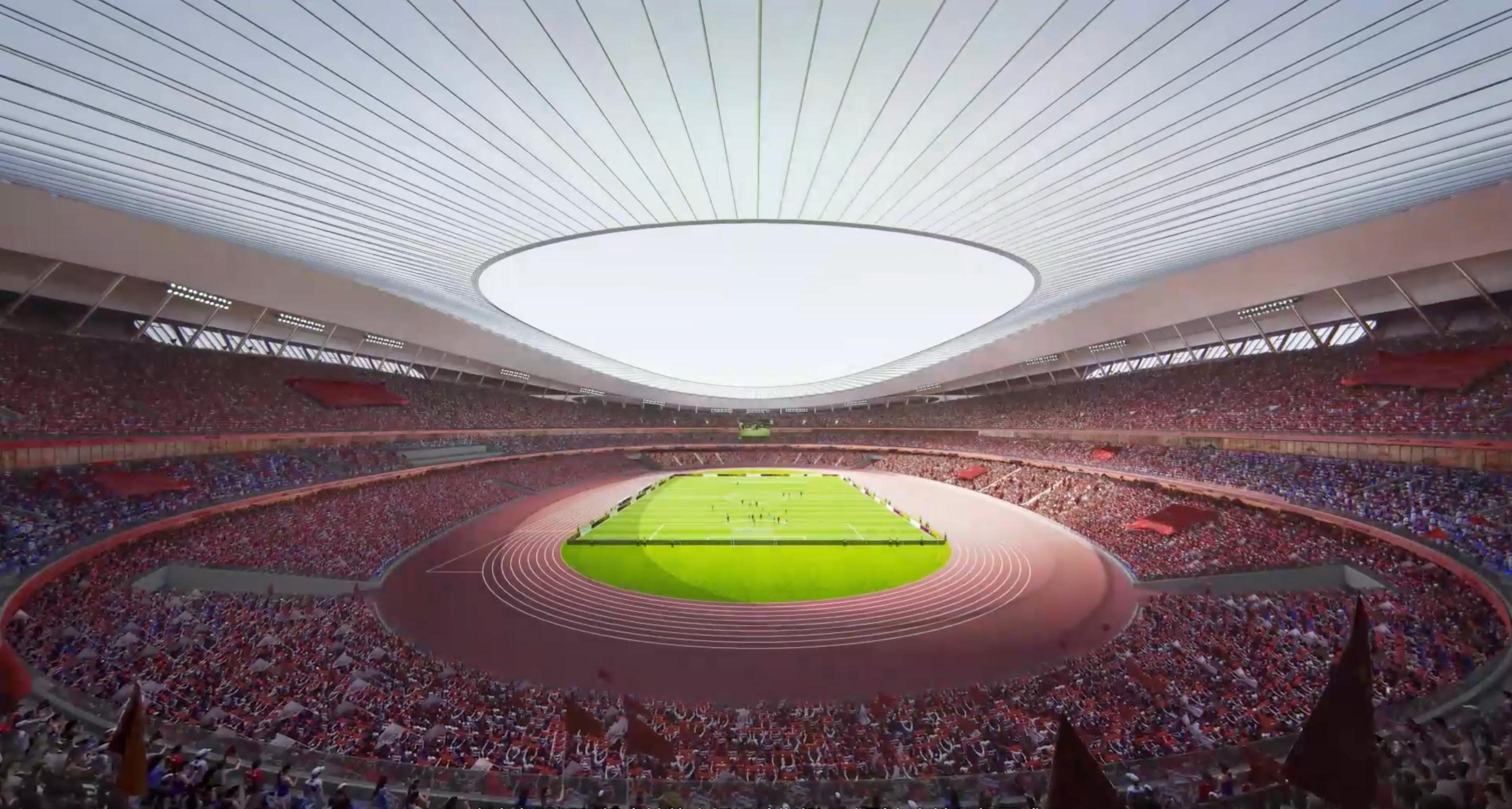
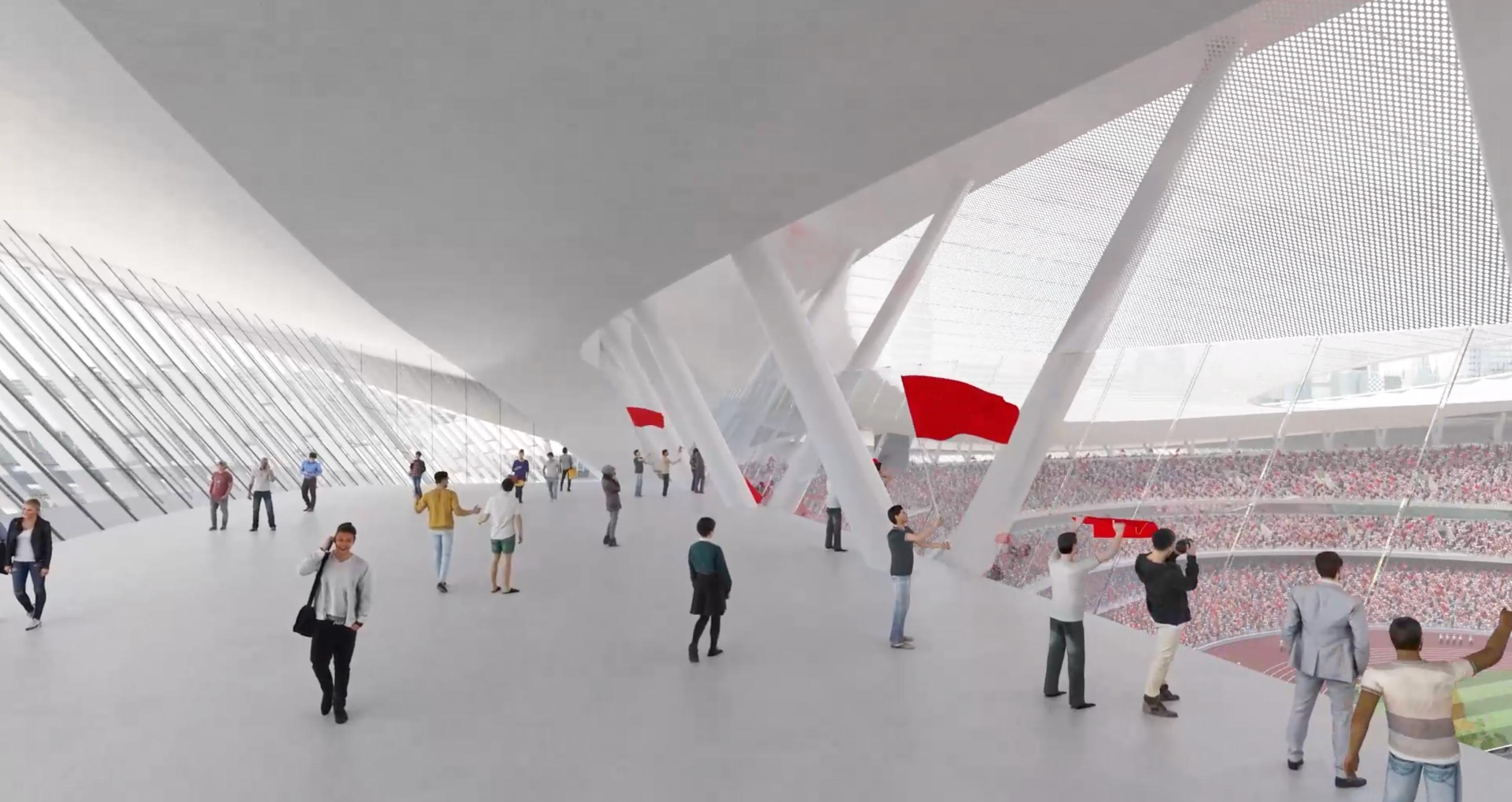
The scheme's three venues, the 65,000-seat stadium, the 18,000-seat arena and the 4,000-seat aquatics hall, sit within four core public spaces: a celebration plaza, the professional venues themselves, a commercial green valley, and a sports park. Layered public viewing platforms wrap the stadium at multiple heights, so the site works as a riverside public space on non-event days, not only as an event venue.
 © SZAD / GDAD
 © SZAD / GDAD
This project is my strongest evidence of owning delivery over a specialist team without holding the design-concept role. Holding a compressed, two-institute bid together depended on a clear plan, a team that felt coordinated and supported rather than just directed, and a quality standard that was set and then actually enforced, all working together, not any one of them compensating for the others.
Cost discipline was one result of that whole-project management, not the source of it. Scenario planning across three outcomes meant the team was never improvising a cost response under pressure, and that discipline, applied across planning, people and quality together, is what produced a rare net-positive return on an international competition that would typically run at a loss.
This experience is the clearest evidence in my portfolio of what I can bring to a service or product delivery role: planning a complex effort end to end, coordinating and supporting a team across organisational boundaries, holding a quality bar, and managing cost as part of the whole, not instead of it.
HENEX Method Recipe
R18 explains how a two-institute bid became one legible delivery sequence.
Primary recipeR18 · Step by Step Path Design
R18 is usually a design-path method, arranging what a user understands, decides and does in the order they think. On this case I applied the same logic to the delivery process itself: the node-control schedule sequenced a complex, two-institute, multi-discipline bid into legible phases with clear hand-offs, so the team always knew what to understand, decide and produce next, rather than treating the schedule as a formality layered on top of the design work.
Secondary recipe
Related Projects
More work across service, digital and spatial systems.
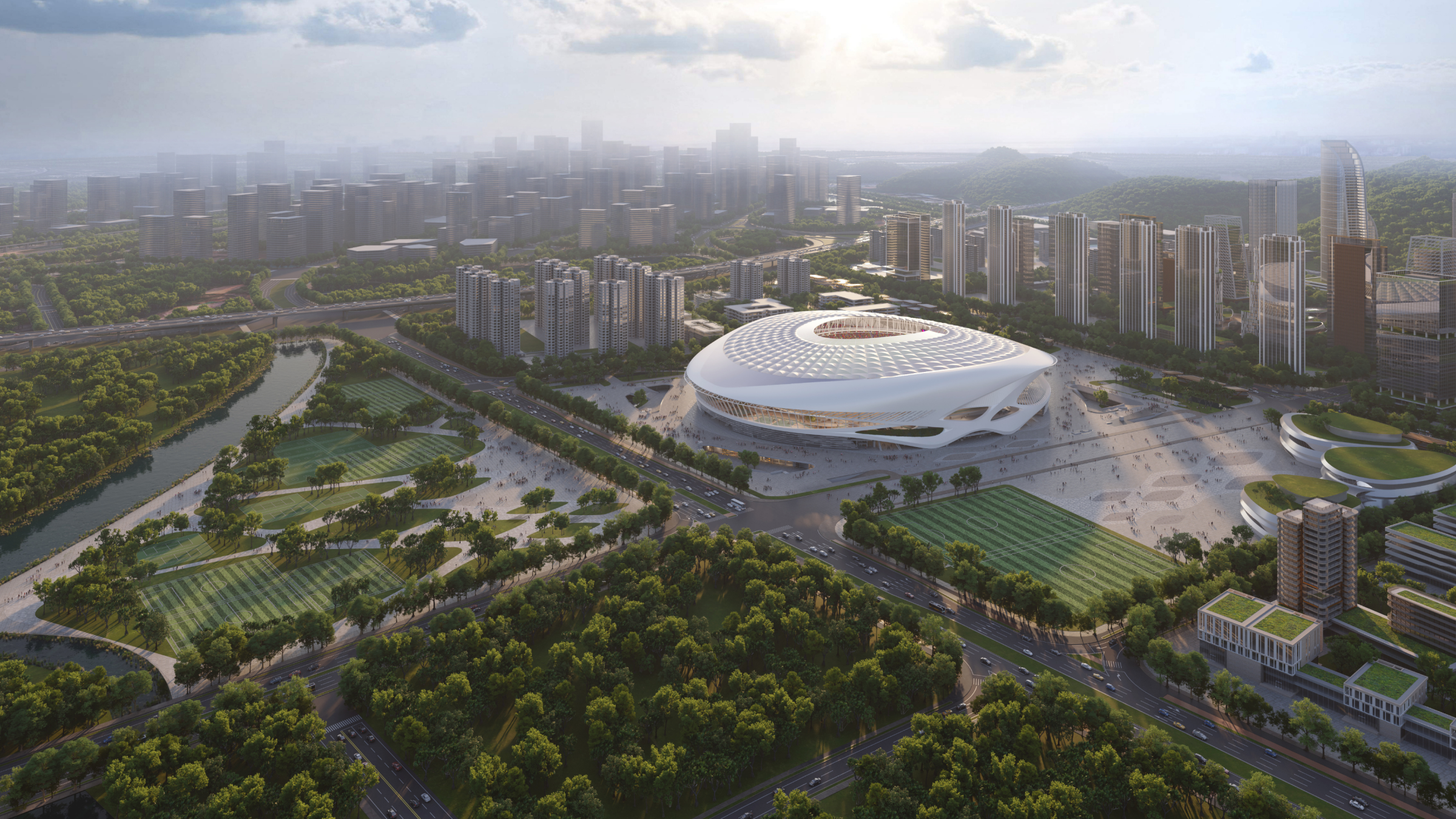 Spatial Systems
Guangzhou Football Park
A public sports venue case for large-scale delivery.
Spatial Systems
Guangzhou Football Park
A public sports venue case for large-scale delivery.
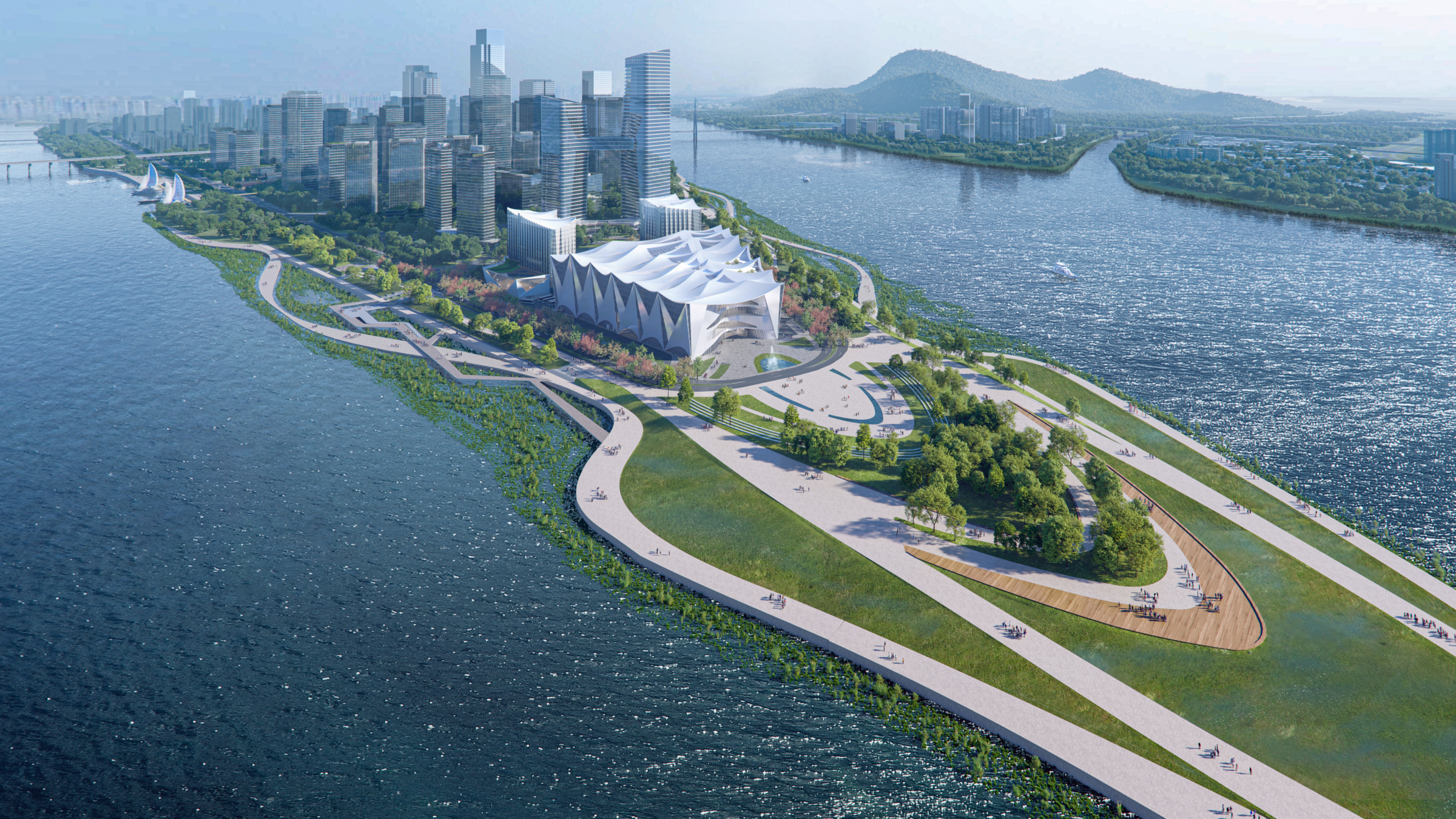 Spatial Systems
Great Bay Area Science Hall
An exhibition and conference case for civic narrative.
Spatial Systems
Great Bay Area Science Hall
An exhibition and conference case for civic narrative.
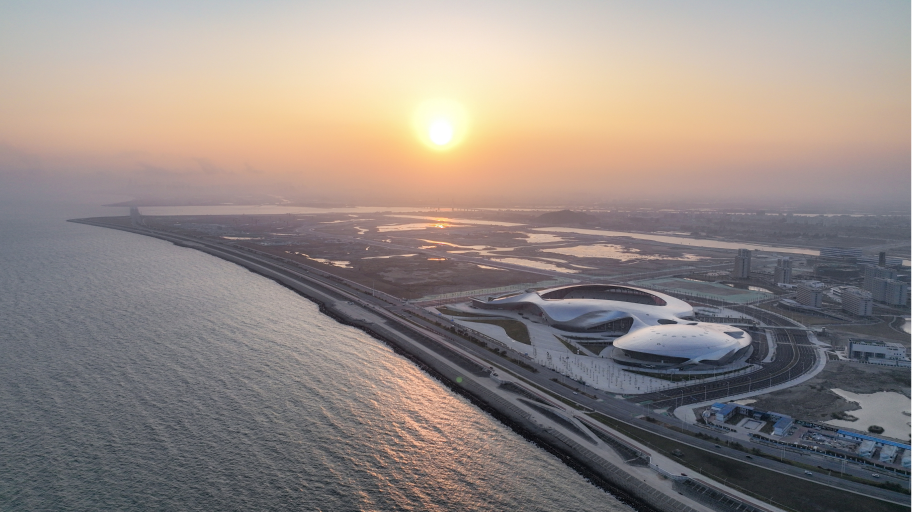 Spatial Systems
East Campus of Shantou University and Asian Youth Games Venue, Phase I
A campus and sports venue case for civic delivery.
Spatial Systems
East Campus of Shantou University and Asian Youth Games Venue, Phase I
A campus and sports venue case for civic delivery.
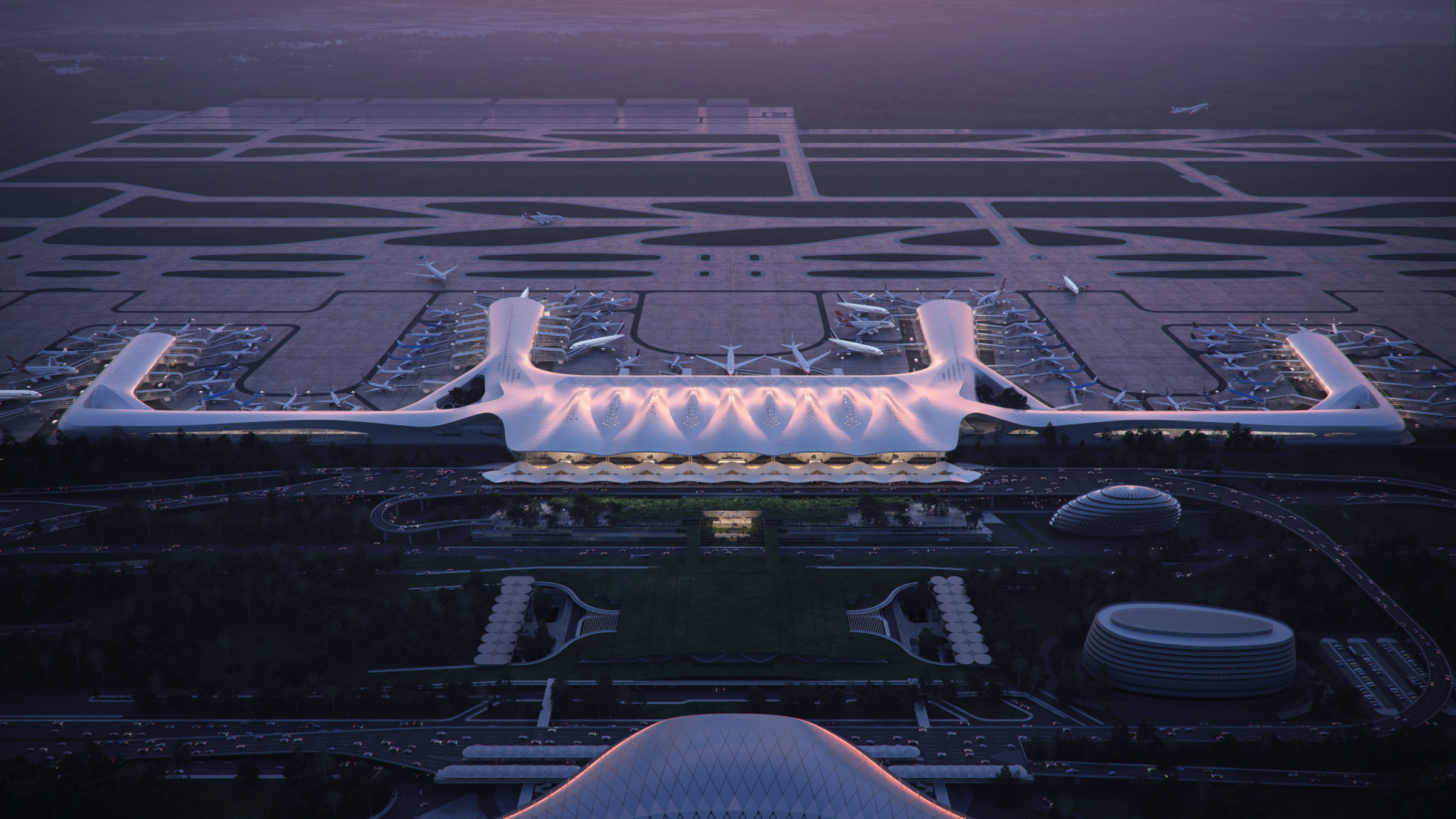 Spatial Systems
Nanning Wuxu International Airport Planning and Terminal 3
A transport architecture case for large-scale competition delivery.
Spatial Systems
Nanning Wuxu International Airport Planning and Terminal 3
A transport architecture case for large-scale competition delivery.